















Archive for April, 2010

Do you want a cheese doodle?

Friday, April 23rd, 2010

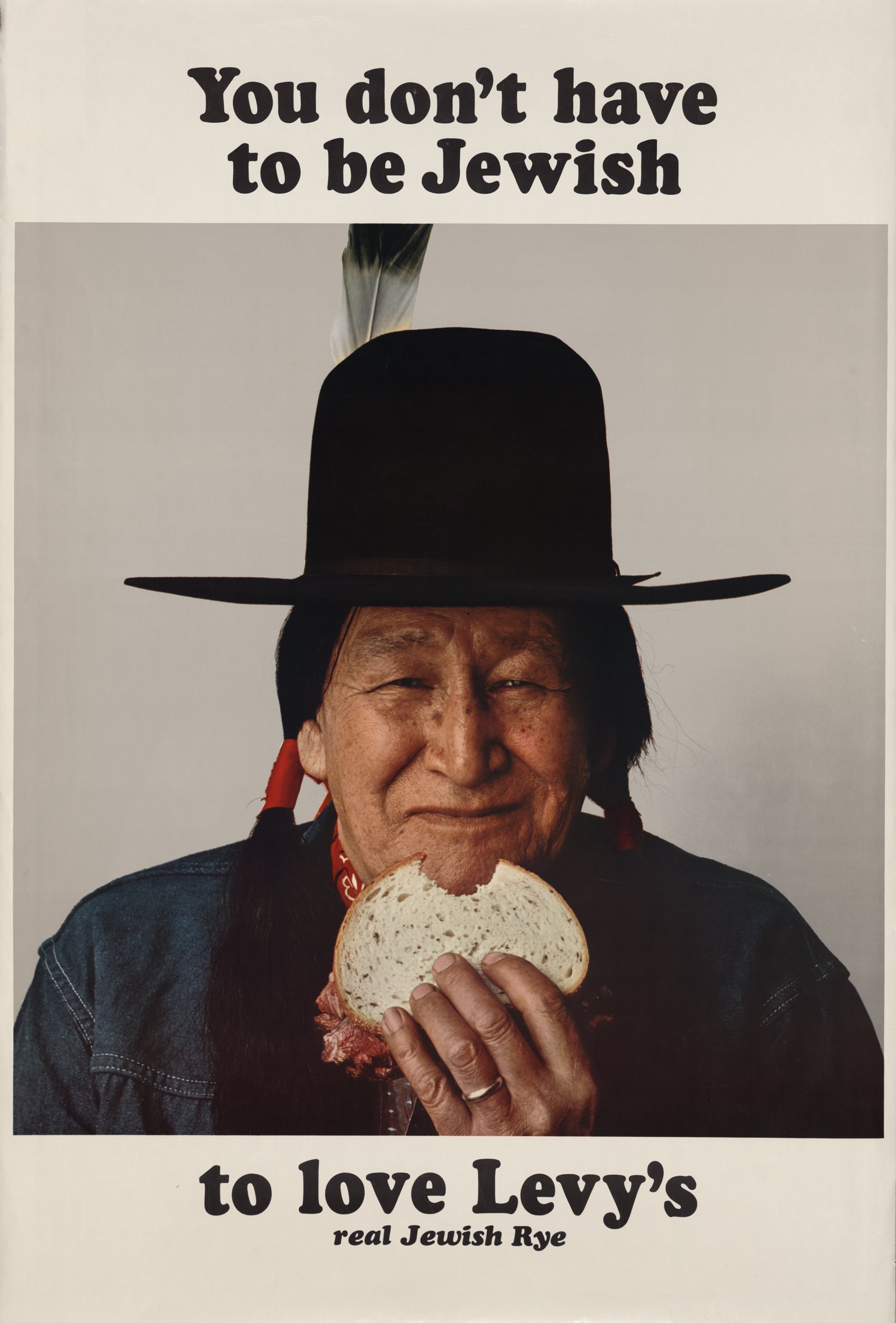
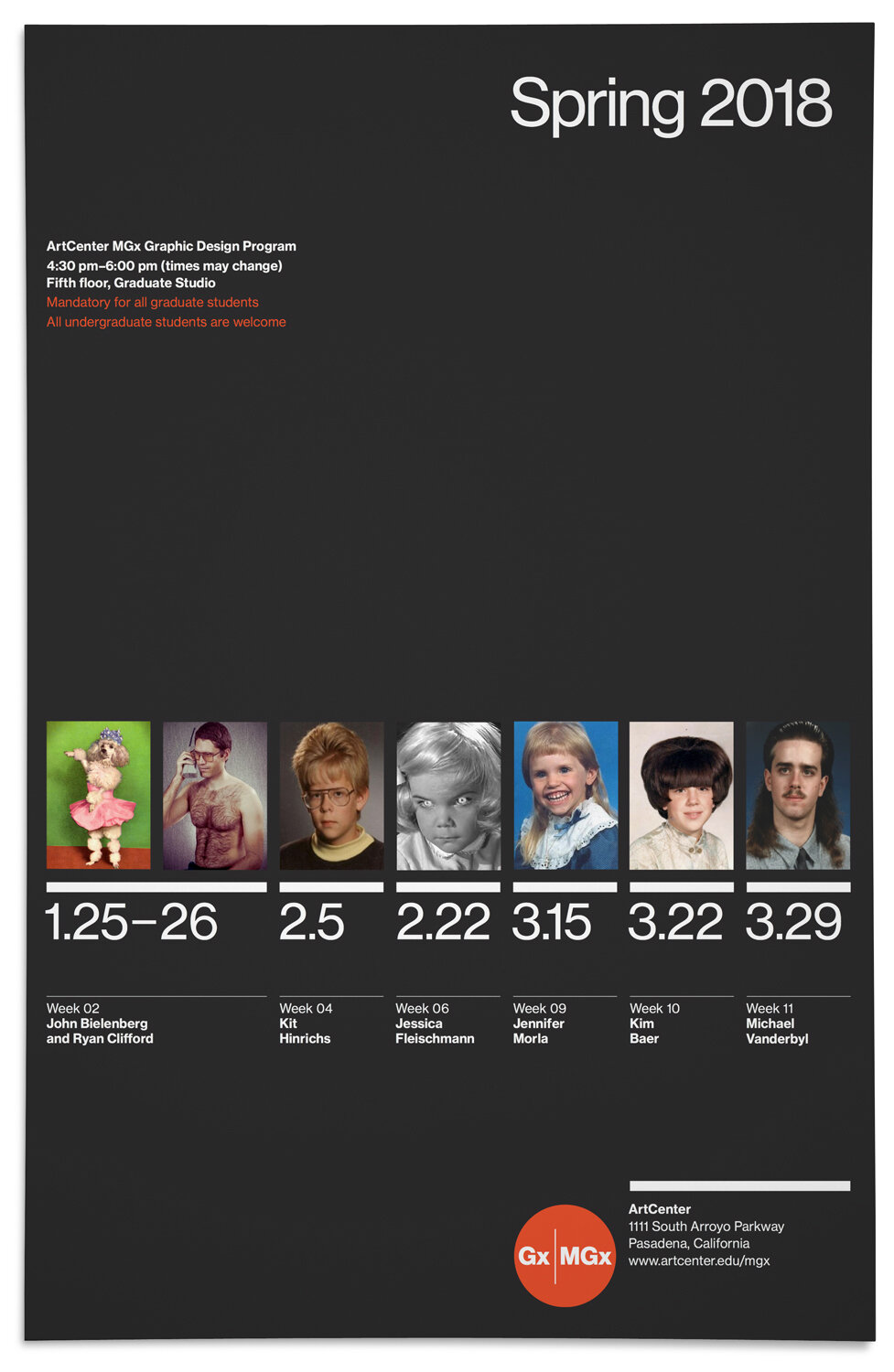
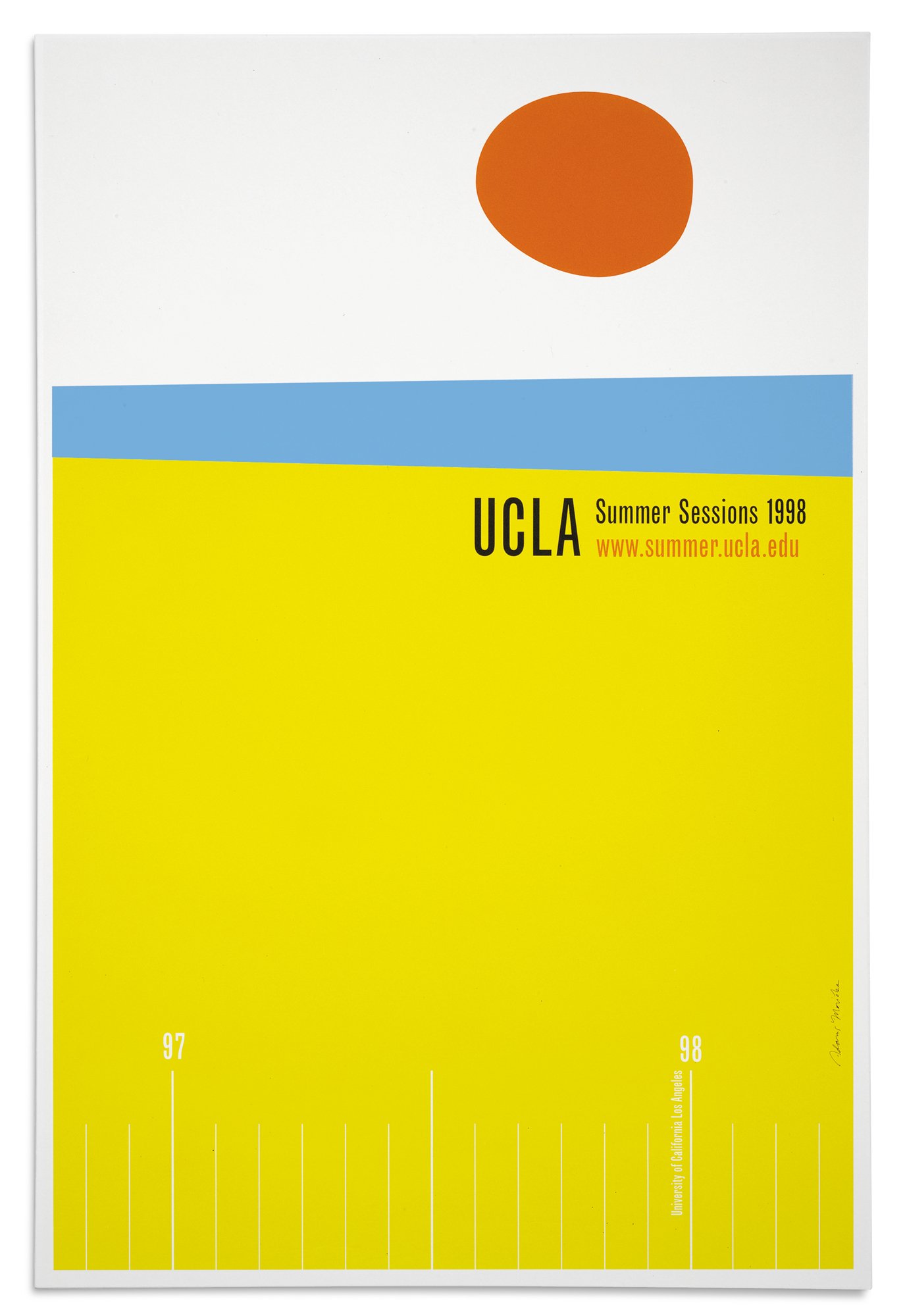
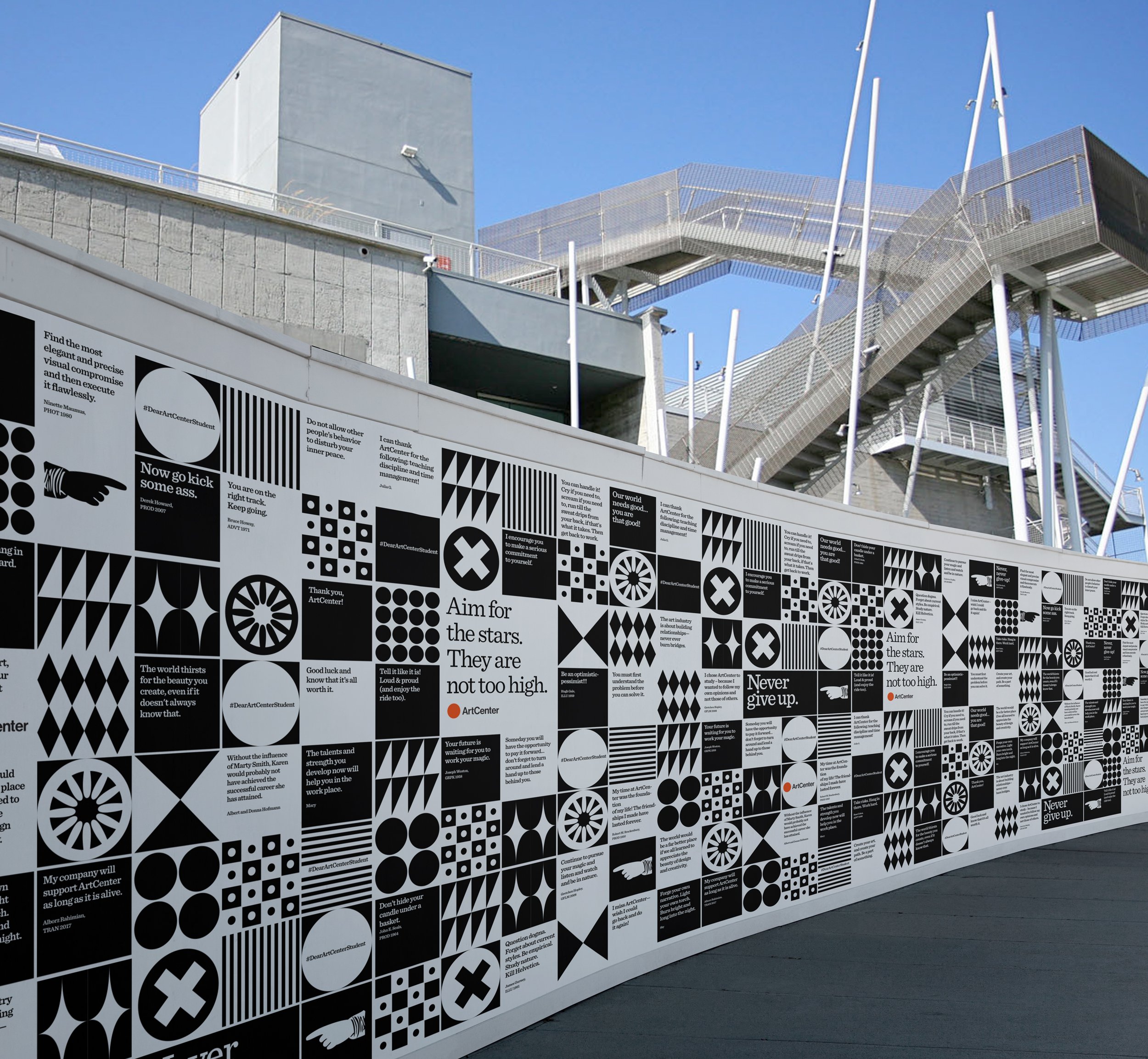
Chip Wass, Wassco poster

Sometimes, I just need to share something wonderful. This is a poster our good friend Chip Wass, from Wassco sent us. Chip always sends the best things. My favorite was the giant bin of fluorescent orange cheese doodles. Those lasted for months. Everyone had orange stained fingers. We are a high-end Beverly Hills firm. Right. Right up there with the Wassco cheese doodles are the beautiful and charming Pam Williams‘ Valentines malt balls. We are very healthy.

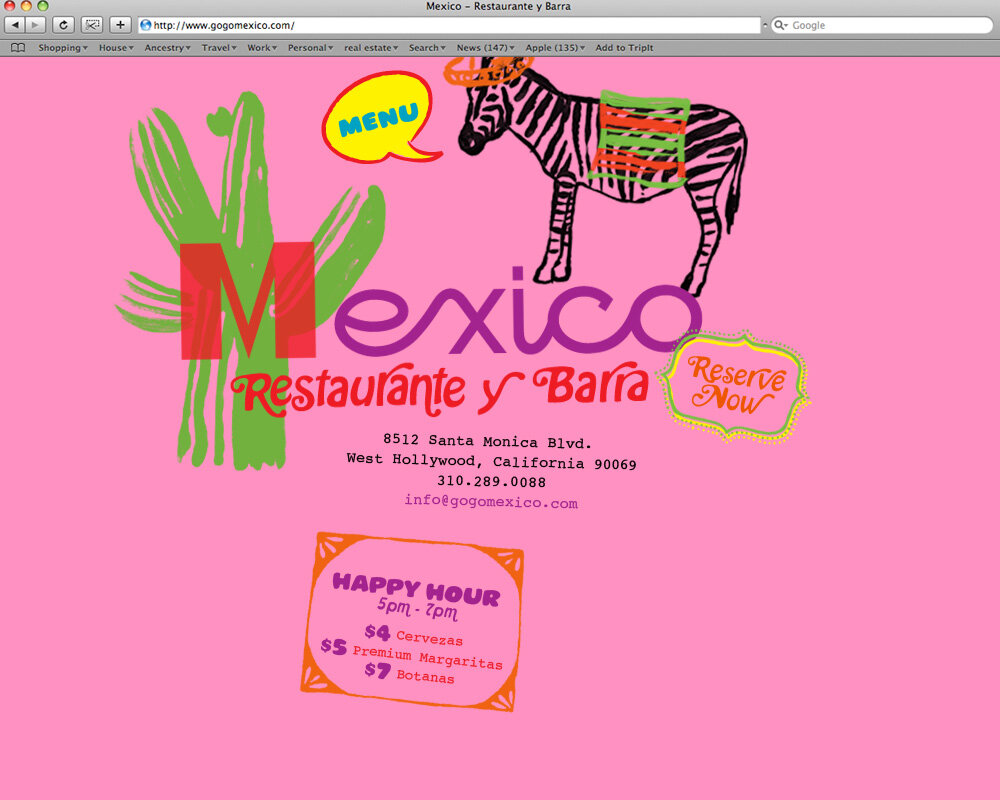
Wassco website, I'm so jealous. I love this.

Wassco poster, detail

Wassco poster, detail

Wassco poster, detail

Wassco poster, detail

Wassco poster, detail

Freestyle Swimming

Thursday, April 22nd, 2010

Thomas Church, Donnell Garden, 1948

I’m a pushover when it comes to biomorphic shapes. There’s something about a kidney shaped coffee table or a boomerang shaped desk that is miraculous to me. I have a swimming pool shaped like a rectangle with a bulge. If I could build a new pool, it would definitely be kidney shaped. Thomas Church’s design of the Donnell Garden, “El Novillero”, in Sonoma is a perfect example. He designed the garden and pool in 1948. This was right after the war, and the California economy was booming. As part of the idea of “California Living” Church created a space that merged indoor and outdoor, and created places to entertain, relax, and swim.

To be more analytical, the biomorphic forms incorporated forms from surrealism. Adaline Kent (1900-1957) created the sculpture in the center. She was a member of the group the West Coast Surrealists. The sculpture serves as a tiny island (for drinks I assume), and a focal point in the pool. The pool is remarkable, and spawned the thousands of kidney shaped pools across the country. Why they went out of style and people now prefer the fake rock and waterfall pools is beyond me.

Thomas Church, Donnell Garden, 1948

Thomas Church, Donnell Garden, 1948

Thomas Church, Donnell Garden, 1948

Tiny Bubbles and Prison Shanks

Wednesday, April 21st, 2010

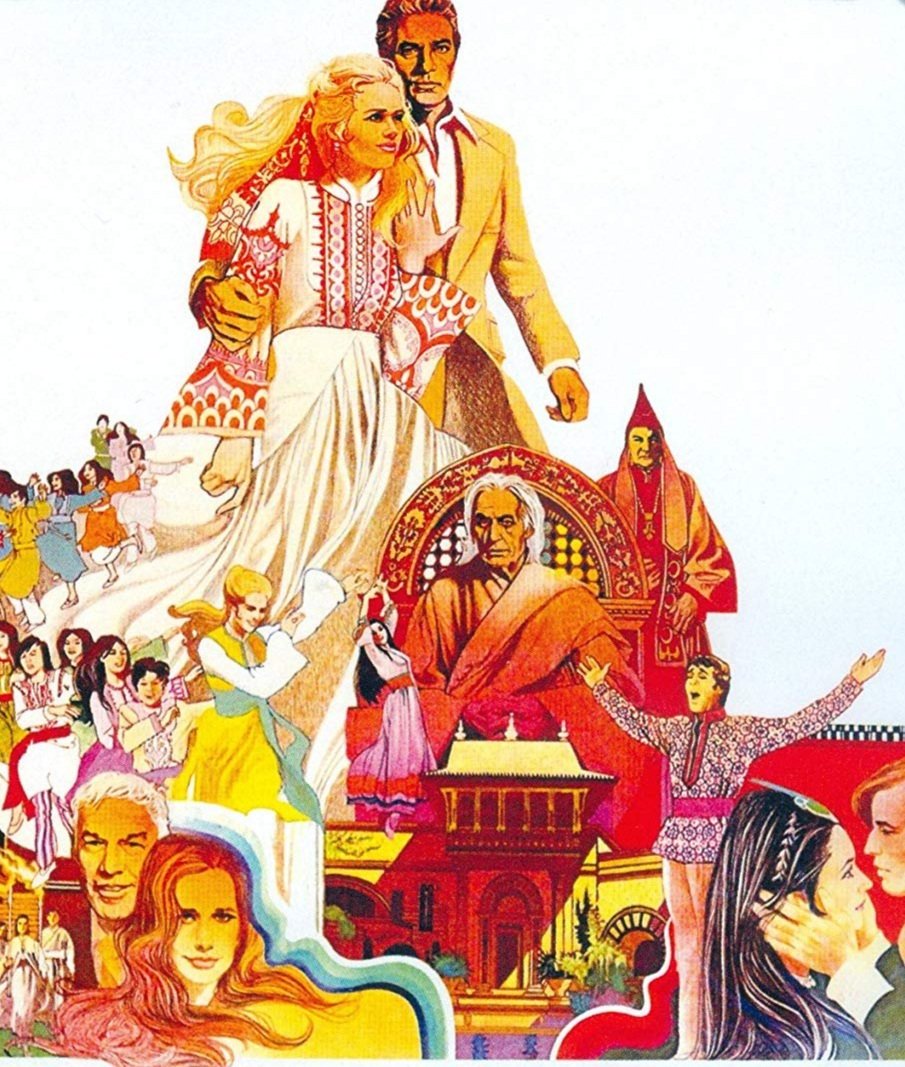
One of the worst aspects of Tivo is that you don’t have it when you travel. I hate sitting in a hotel room, missing what someone said, and I can’t go back. And I’m forced to watch whatever is on the 15 stations they receive. It seems that CSI is on most of the channels all the time. Sitting in a hotel room on my last trip, I found myself mesmerized by The Lawrence Welk Show. Now you know I have some Lawrence Welk records which are very relaxing, but, even as wholesome as I am, I can’t really watch it. But the colors are miraculous. Originally, this post was going to be about just that, the color palette on The Lawrence Welk Show.

In my research, however, I discovered three video clips that needed to be seen by all. The Love Boat theme dance number is something you will never get out of your head. Tokin’, really? Did they know they were promoting marijuana usage? And the Velvet Underground does make for a nice change of pace.

I can take cute, or sweet, or even saccharine, but this goes over that line. This seems to be the result of entertainers after a Frances Farmer lobotomy. It’s all so nice and measured. Somebody backstage must have snapped at some point. I like to imagine a plastic fork from the craft services table being shaped into a prison shiv, and then the brutal attack like a scene from Oz. This is the only way to watch The Lawrence Welk Show without believing that it is the evidence that Satan has returned and is disguised.

One of the shivs found backstage

The Flying Nun

Tuesday, April 20th, 2010

Sister Corita Kent

We have a drawer in the flat files that holds our favorite posters from other designers. I was looking through it today, just admiring the wonderful work. I found a piece I’ve had for 20 years by Sister Corita Kent. “Ooh,” I thought, “How can I steal this?” I can’t. I’m quite sure there is someone out there who would be quick to say, “Sir, I knew Sister Corita, and you, sir, are no Sister Corita.” And they’d be right. But I can aspire to the spontaneity and fresh approach. Sister Corita, was a Sister of the Immaculate Heart of Mary, she ran the Art Department at Immaculate Heart College until 1968 when she left the Order and moved to Boston. Corita’s posters communicate her spirituality and commitment to social justice and peace. When she created much of the work, the content was considered subversive.

This political messaging does not sink under the weight of its own importance. Everything betrays her hands. Like a Jackson Pollack, so many of these posters are a documentation of her process. Nothing is refined past its death, and then more. The colors are vibrant and unapologetic. They are about delight. Her work was a huge inspiration when I was a student. How did I forget this? What other important things have I forgotten? It’s best to not dig too deep, like they say, “if you go looking for trouble, you’ll find it.”

These are Sister Corita’s rules at the Immaculate Heart Art Department:

1. Find a place you trust and then try trusting it for a while.

2. General duties of a student: pull everything out of your teacher, pull everything out of your fellow students.

3. General duties of a teacher: pull everything out of your students.

4. Consider everything an experiment.

5. Be self-disciplined. This means finding someone wise or smart and choosing to follow them. To be disciplined is to follow in a good way. To be self-disciplined is to follow in a better way.

6. Nothing is a mistake. There is no win and no fail. There is only make.

7. The only rule is work. If you work it will lead to something. It’s the people who do all of the work all the time who eventually catch on to things.

8. Don’t try to create and analyse at the same time. They’re different processes.

9. Be happy whenever you can manage it. Enjoy yourself. It’s lighter than you think.

10. “We’re breaking all of the rules. Even our own rules. And how do we do that? By leaving plenty of room for X quantities.” – John Cage.

The Ghosts of Virginia

Monday, April 19th, 2010

The Governor's Palace, Colonial Williamsburg

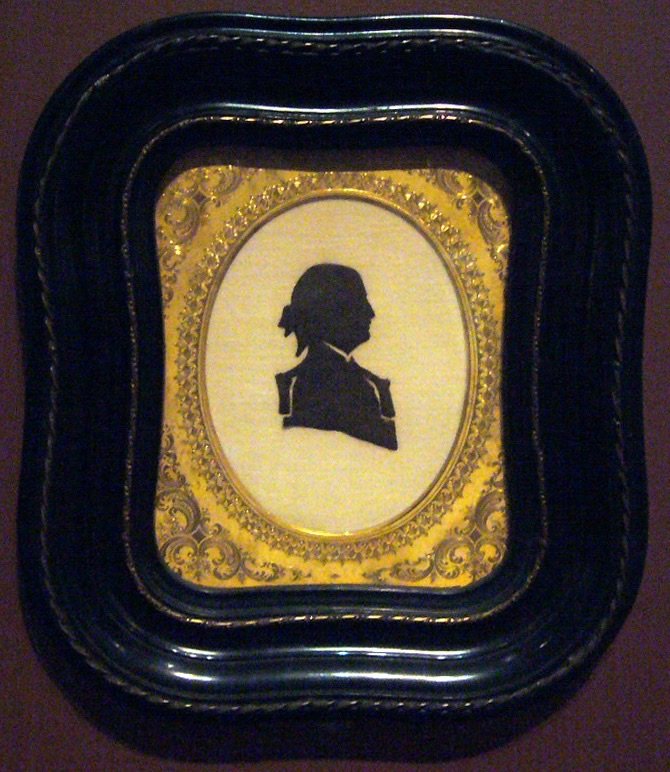
Last week, I traveled through North Carolina and Virginia. Part of this visit was for speaking engagements. I also wanted to do some family history scouting in Virginia. In the same way that people return to the county of their ancestors in Ireland, or the village in Italy, I wanted to visit my roots. The only experience I have of Virginia is either stories told by my grandmother, or history books. I expected that I would be a cousin to everyone I met on the street. Oddly, this wasn’t the case. As I was reminded, it’s not 1850. I was surprised to find many streets named after family members, and Colonial Williamsburg was like a family reunion. I had some of the best fried-chicken of my life. I met some remarkable people working incredibly hard for their community. And, I now know what Henrico and Albemarle counties look like.

My grandmother talked about Virginia in a poetic and tragic way. I assumed that it was because she was dramatic. But, I found myself feeling the same way. I felt a constant undercurrent of family history everywhere I went. I thought about the great achievements and terrible deeds committed. The entire time, I was aware that all of these people were gone, all of their accomplishments completed by the 18th century, and that the families had long ago dispersed. I definitely felt the ghosts of many of them at each stop. Whether it was Peter Meriwether Fry at the Jefferson Hotel, or Dr. Thomas Walker at Castle Hill, or Thomas Jefferson at Monticello, I could see their world through my eyes.

Monticello

George Wythe, Elizabeth Taliaferro Wythe House

detail, Monticello

detail, Declaration of Independence

detail, Declaration of independence

detail, gravestone, Colonial Williamsburg

garden marker, Monticello

Brochure, The Jefferson Hotel, Richmond

Robert Carter house

Robert Carter house

paint color detail, Colonial Williamsburg

paint color detail, Colonial Williamsburg

paint color detail, Colonial Williamsburg

paint color detail, Colonial Williamsburg