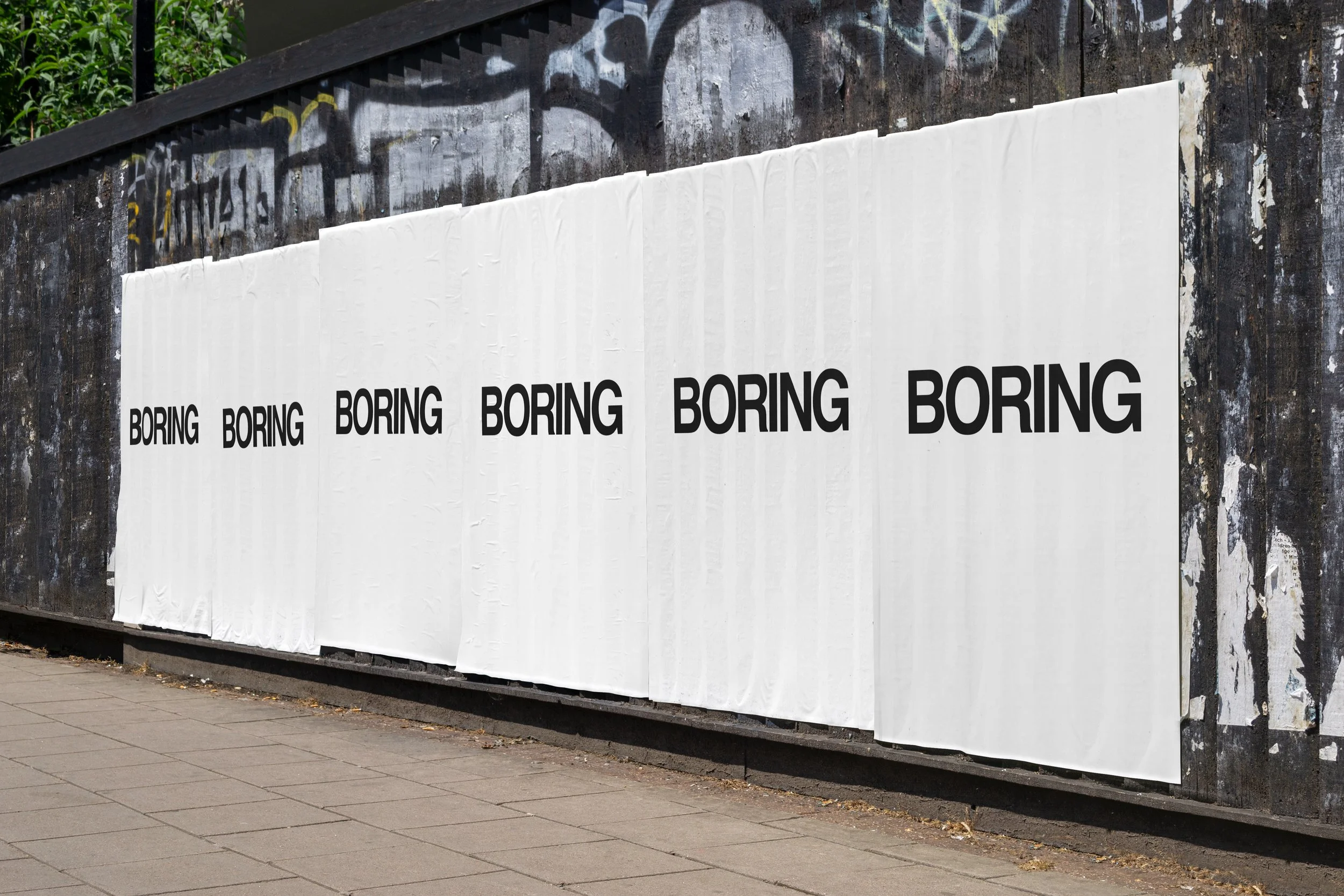
Boring
My grandmother had many rules. Some were easy to follow: a gentleman never leaves the house without a handkerchief, wears a belt or braces, and always leaves a conversation with the other party feeling better about themselves. Other rules were more specific; only drunkards and ne'er-do-wells have crooked window blinds, and how one treats others, regardless of station in life, is a mark of decency.
The underlying theme was that one was not "middling", historically a term used to define people who were not the landed gentry. This was a holdover from the earliest ancestors who came to Jamestown in 1607. Many were second or third sons of the British gentry who wouldn't inherit land. They sailed to Virginia to make their fortune.
To maintain the class structure of England and Scotland, a detailed set of rules and a tangled fishline of intermarriages separated the small group of "FFV," or First Families of Virginia, from those of other backgrounds. But it's difficult to imagine the distinctions during the starving times in Jamestown.
In my grandmother's world, "middling" was a term used to describe those who were, obviously, in the middle. Normal people who went about their lives working hard, raising families, and experiencing the entirety of life: love, grief, trauma, joy, and acceptance. From my earliest memories, she would tell me, "You are not middling." This was a vote of confidence and a warning.
"Middling" followed me through life. Ancestors on both sides included Presidents, Governors, and Senators. Both sets of grandparents urged me to be "the next governor or senator; it's been some time since cousin so and so ran in 1952 and 1956."
When I was 17, I had my interview at a university in New England and secretly applied to ArtCenter and CalArts. I had no desire to be a politician; I wanted to be a graphic designer. At the last moment, I told my family I was not attending school in Cambridge, but in Valencia, California. Of course, there was no emotional scene or discussion. My parents refused to remember where I was going to school. "Sean, is it CalTech?" my mother asked for years. It was also clear that my decision was fine, but there would be no financial assistance. Ok, a whole other story here.
Back to the middling. A decade ago, several great friends I admire enormously nominated me for the graphic design organization, AGI (Alliance Graphique Internationale). Name-dropping aside, they are four of the best-known and respected designers in the world. I was not admitted, which, at the time, was disappointing. Recently, another friend with the same recognition level suggested I submit the materials to be nominated again. I'm a little long-in-the-tooth, but thought, "sure, why not?" Again, no go.
Now here is the human part. I hope to make a difference each day. I focus on the next generation and the profession as a whole. How can I help young designers succeed? Where is the industry going? How can I help designers adapt? There are a host of other issues. I don't do this because I am especially wonderful person. I'm not. I do it because I decided it was time to send the elevator back down. I find it best to think less about myself and more about others (mainly as a way of ignoring feelings). I did some good work in life, wrote books and online courses, and hopefully had a small impact on some.
But being passed over wakes me at 3 am, and I ask, "Am I middling?" Did I fail myself and my family yet again? However, I've been around long enough to know that we don't get what we want, but what we need (yep, not just a song; it's true). And I can only do what I can do each day. It is a hard lesson that is a few steps forward and a step back. What is more important than any external barometer of success is how I deal with each person with kindness and appreciate each day in the moment. It sounds corny, but it tends to work.
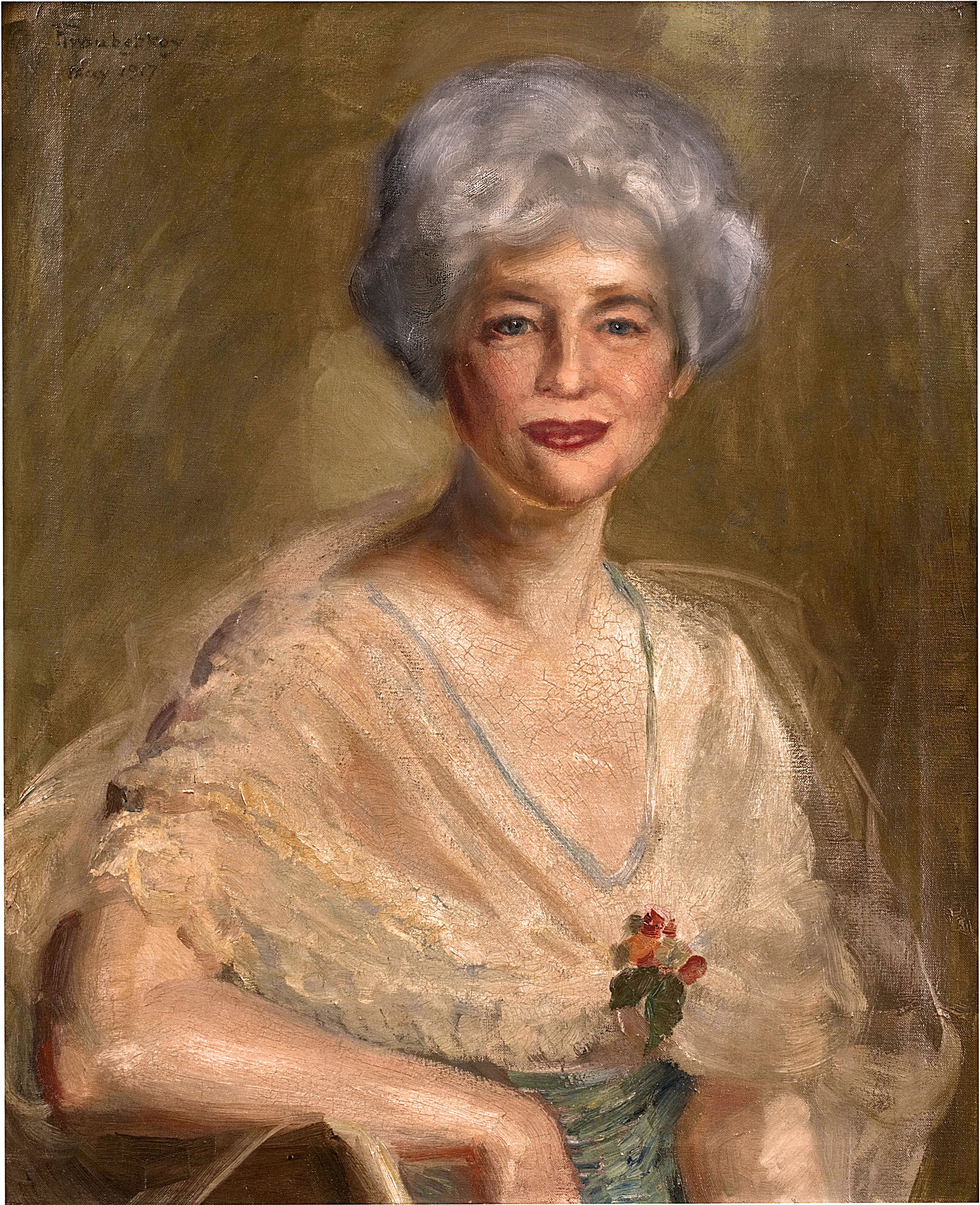
my grandmother