





Archive for May, 2012

Walking in Space

Tuesday, May 15th, 2012

Hitchhiking sign, Berkeley Barb, San Francisco, May 1975

I’m pretty sure people are who they are when they are born. My parents were firmly entrenched in the counter-culture movement. I refused to wear jeans when I was 4 because they were what those “dirty people” wore. It sounds kind of prissy to me now. I liked grey flannel trousers like my grandfather’s. When I was 8, my mother started giving rides to hitchhiking hippies. “Mom,” I would plead, “This is illegal. They might be ax murderers.”

In particular, there was a hippie lesbian couple with three kids who were always hitchhiking on their way to Lake Tahoe or Truckee. Once a week, we’d see them standing near the entrance ramp and pick them up. I was sure they had kidnapped the kids, had dope in their bags, and probably committed countless other crimes. My mother insisted they weren’t ax murderers and I should be polite to everyone.

So I sat in the back of the station wagon with a peace sticker on the window, wearing my trousers and button down shirt, shocked by the free spirit of the hitchhiking family. I’m sure they thought my parents must have kidnapped me from an uptight square family.

East Village Other, New York, January 1971

Other Scenes, New York, September 1969

The East Village Other, February 1971

The East Village Other, July 1969

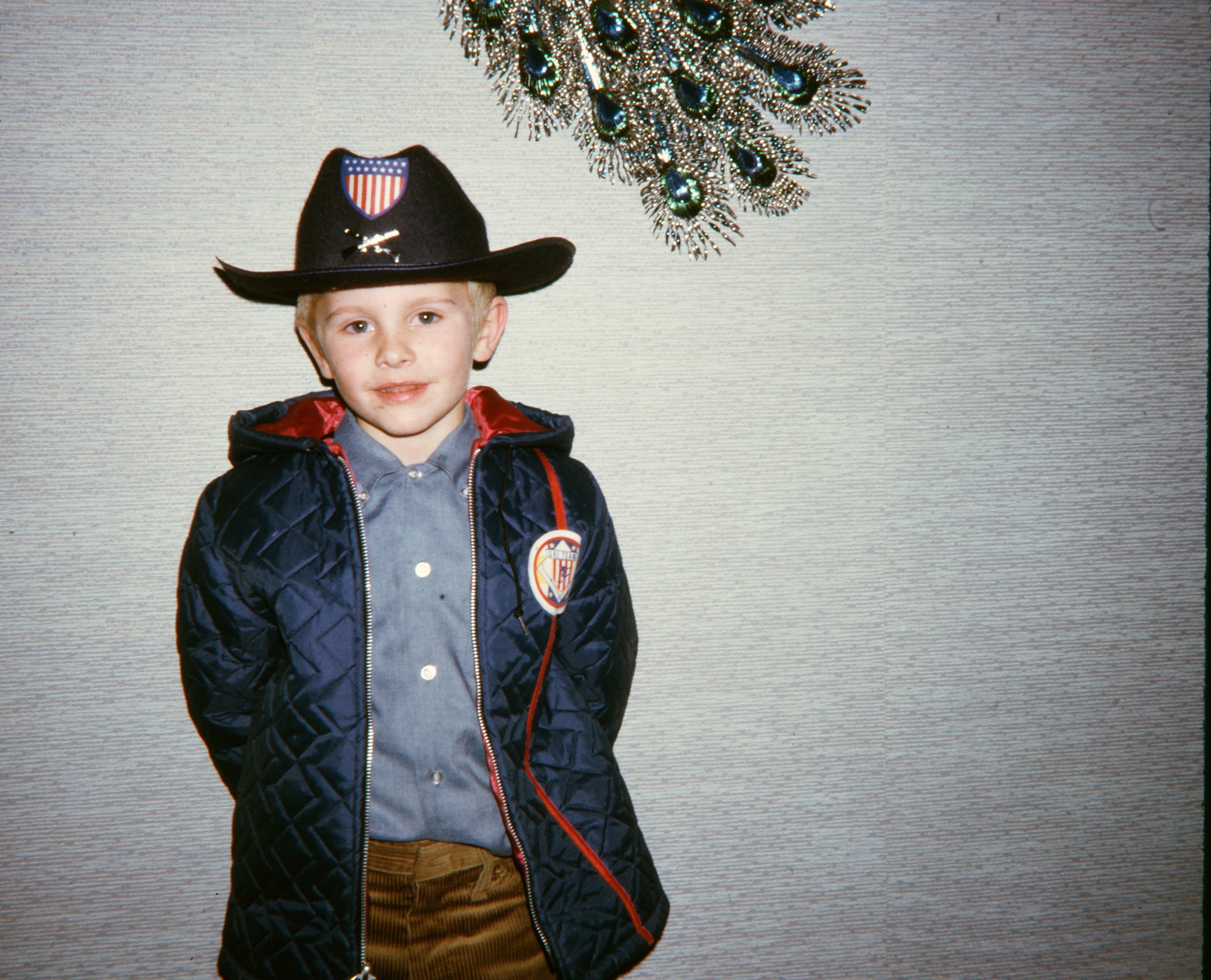
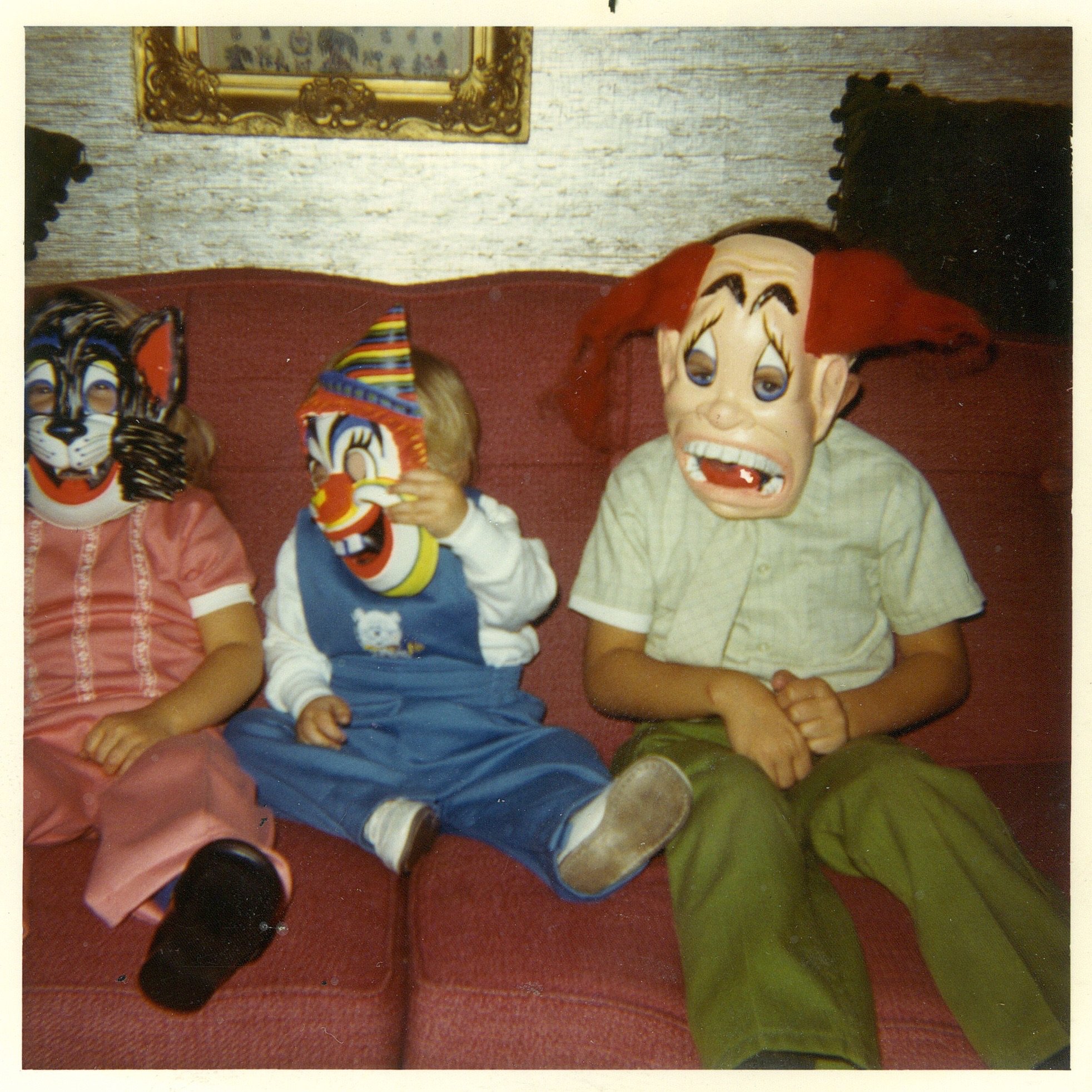
me and my sister Heather, 1971

The Other Side

Saturday, May 12th, 2012

Richard Terpstra, Walt Disney World Florida t-shirt

You can’t tell if something is dark without also seeing something light. In the same way, it’s hard to know when something is bad, when it’s all you’ve known. When I was growing up, we moved constantly, as if my parents were on the run from the law. When I left home at 18, we’d moved 22 times on three continents. I didn’t realize this was bad until I was able to stay in one place for more than 18 months.

I had another realization like this last week. I was at Walt Disney World and saw someone wearing a completely groovy t-shirt with the original Walt Disney World 1971 logo. I assumed it was an old shirt until I found it in a store. Richard Terpstra designed the shirt this year. On a side note, Terpstra is a genius at creating new products that have a sense of history and never seem forced or bad replications. Then, I found more t-shirts that I loved. Yes, they all nod to the past and fall into a post-modern pastiche concept. Yes, they are ironic and something someone would wear at a coffee house in Brooklyn or spice store in Silverlake. But, I could wear them too. That’s a real accomplishment to create a product that can run the gamut from hard-core hipster to Fred MacMurray.

Now, why was this a realization? Because I’m not used to seeing something this well designed on my side of the country at Disneyland. I’m a huge fan of Kevin Kidney items, and own an amount of them others find “eccentric”. The other merchandise at Disneyland is, well, cheesy. I hear about the issue of annual passport holders not buying merchandise at Disneyland often. I’ve had an annual passport since 1984 and don’t buy t-shirts. But I’ve only seen the overwrought glittery hyper-cute Disneyland t-shirts.

The cat’s out of the bag for me. I’ve seen what is possible. Someone in Florida at Disney Park merchandising is doing something wonderful and exciting. They’re taking risks and designing for an audience other than the Housewives of Anaheim. Bravo (no pun intended).

Walt Disney World Epcot t-shirt

Walt Disney World Epcot t-shirt

Walt Disney World Sunshine Pavilion t-shirts

Walt Disney World Epcot t-shirt

Walt Disney World t-shirt

Richard Terpstra, WDW and DLP t-shirts

Kevin Kidney, Disneyland vintage logo shirt

Kevin Kidney, Walt Disney World ceramic cups

Walt Disney World Sunshine Pavilion Orange Bird cups

The extremely cool Mary Blair vase, Kevin Kidney

Disneyland t-shirt

Disneyland t-shirt

The Commercial with a Sensayuma

Tuesday, May 8th, 2012

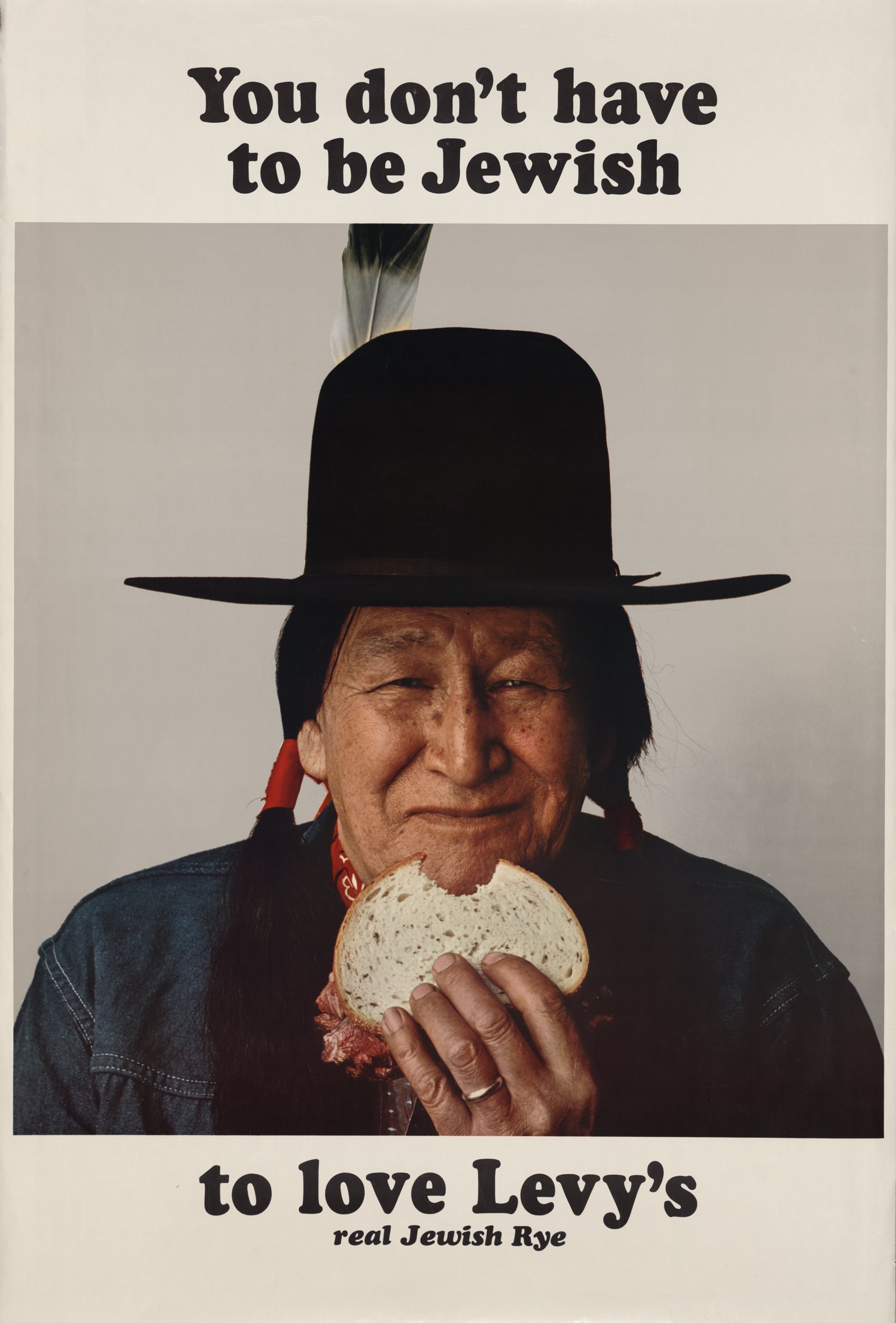
William Taubin, Howard Zieff: Doyle Dane Bernbach, Inc., Levy's, 1964

Being in advertising on television is hard. Darrin on Bewitched was in advertising. I recall a campaign of insects walking into a bank with this tagline, “Even the little people matter at Bank Such and Such.” At 8 I knew this was a bad ad campaign. Insects are creepy, and the subtext of the message is patronizing at best. On Mad Men, Don Draper won an award for a commercial with a tiny chuck wagon. I assume this is based on the Chuck Wagon commercial from 1970. Recently, Peggy described an ad with a ballet of beans. I assume this shift is talking about the changes in advertising from the 1950s through the 1960s.

When I’m teaching, I show a 1958 Edsel ad to explain a boring ad. It’s a photo of a car and the copy tells me it’s a car. On the other end of the spectrum is a campaign like the Levy’s Rye Bread campaign from 1964. I see the product, but the copy asks me to do some work. It relies on the viewer’s cultural knowledge. It demystifies a product that might be considered exotic in 1964. And the final takeaway is a sense of humor and success. “Oh, I get it, the policeman must be Irish.” If you ad the fact that most ads in 1964 had a whole bunch of white people and nobody else, these are even more striking. So, why now do I see current ads that show me a car and read, “This is a car.”

William Taubin, Howard Zieff: Doyle Dane Bernbach, Inc., Levy's, 1964

William Taubin, Howard Zieff: Doyle Dane Bernbach, Inc., Levy's, 1964

William Taubin, Howard Zieff: Doyle Dane Bernbach, Inc., Levy's, 1964

William Taubin, Howard Zieff: Doyle Dane Bernbach, Inc., Levy's, 1964

William Taubin, Howard Zieff: Doyle Dane Bernbach, Inc., Levy's, 1964

William Taubin, Howard Zieff: Doyle Dane Bernbach, Inc., Levy's, 1964

Ford Edsel print ad, 1957

Trademark Secrets

Tuesday, May 1st, 2012

Paul Rand, UPS logo

Identity design is not easy. Sure you can slam a couple of shapes together and call them a logo. But the core of the issue is perception and building a foundation. Over the last 20 years that we’ve been in business, we’ve been called in repeatedly to take on an identity project after another firm has failed. When I’ve asked to see what didn’t work, I’m given a pile of 8 1/2″ x 11″ sheets of paper, each one with a different logo idea. Whether or not any of these were great or awful isn’t relevant. The error was presenting like a smorgasbord of stylistic options.

First, no logo ever lives in a void. Showing a mark on an empty page is deceiving. It will never appear in this setting. Second, persuasion and consensus building is a large part of the job. We take for granted that a client knows all that we know. But they don’t. They only know what they’ve seen already. And they’ve been conditioned to think a logo is a wackadoodle illustration that demonstrates their product. Logos identify, they do not describe. If Apple had made a logo that looked like the first Macintosh, they could never create iTunes, or an iPhone.

Saul Bass told me to never speak about design to a client. He didn’t mean stonewall them when they ask about a typeface or color. The idea is to talk in a language they understand and give them reasons beyond simple aesthetics for your choices.

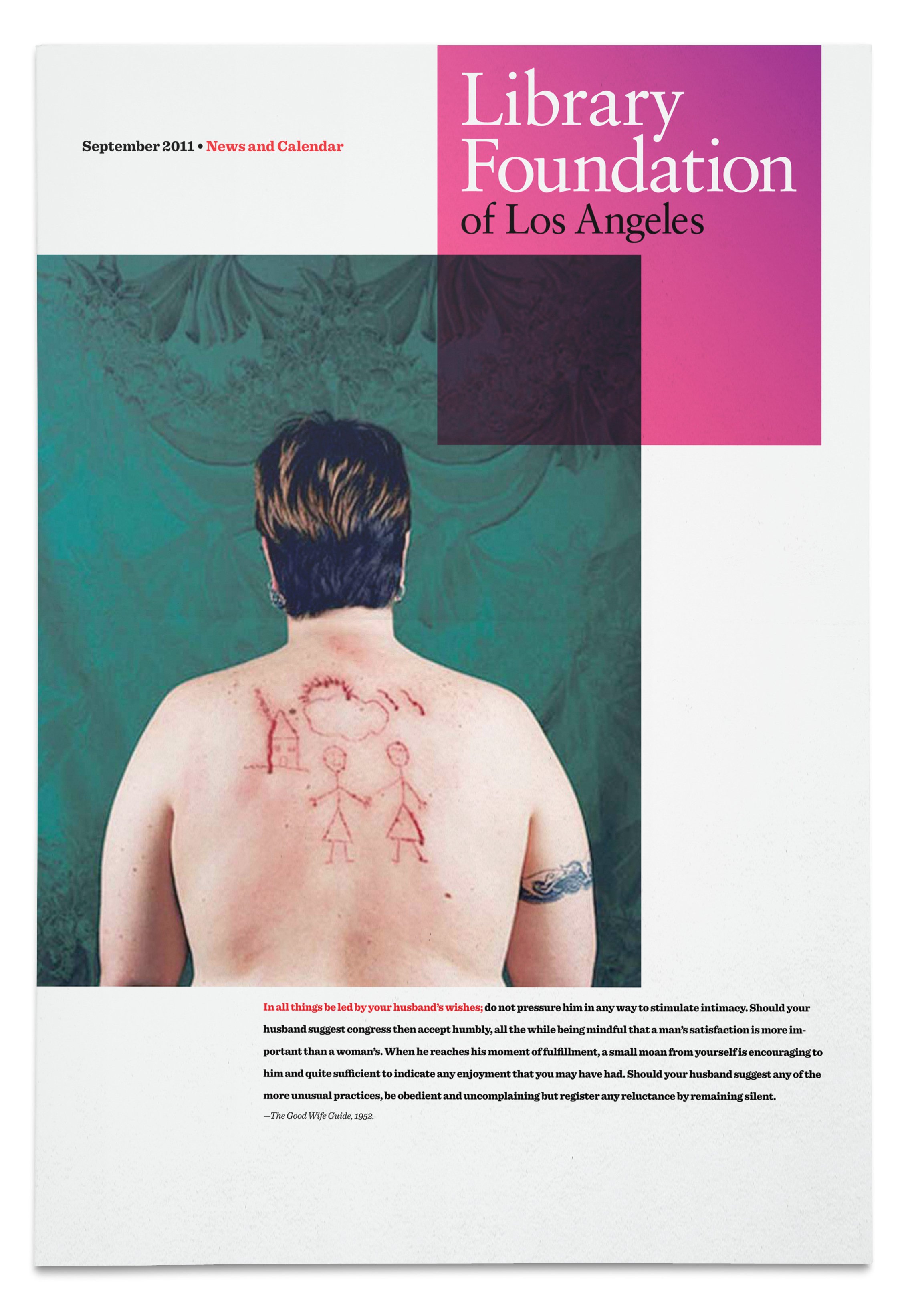
This is probably stupid of me, and I’m revealing some of our inner processes. But if this process helps another designer solve a problem, we all look better. When we present identities, we walk the client through each step and explain in simple English why we make certain choices. This allows the client to participate in the process and eliminates the perception that designers are just goofballs making pretty shapes. It also creates a document that can speak for itself. So, below, find a typical document we create to present an identity.

LFLA_ID_Presentation_07.19.11c